Abuse and Discipline:
A Comparison
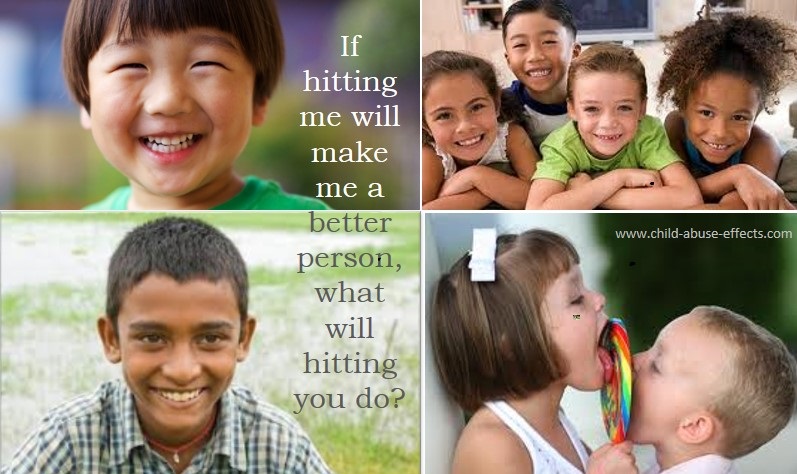
When comparing abuse and discipline, the question to ask is: what is the caregiver trying to achieve in either case? The table below offers a comparison between the two.
Abuse and Discipline: A Comparison |
||
|---|---|---|
| Abuse | Discipline | |
| » Demonstrates anger and hostility. | » Demonstrates love and affection. | |
| » Make child listen. | » Teach child right from wrong. | |
| » Teach child that decisions are at the whim of the caregiver. | » Teach child to make healthy choices for him/herself and prepare child for eventual independence. | |
| » Caregiver has all the power; child is given no respect. | » Based on a balance of power and mutual respect. | |
| » Involves humiliation. | » Does not involve humiliation. | |
| » Requires submission. | » Does not require submission. | |
It's difficult to get into a discussion here without going into the spanking issue.
|
In January, 2004, the Supreme Court of Canada upheld Section 43 of the Criminal Code, stating parents had the right to spank their children without fear of being charged with a criminal offence. But this spanking law has some new restrictions. The law now states that spanking is permitted with children between the ages of 2 years and 12 years, that the use of weapons like belts and paddles are prohibited, that strikes to the face and head are also prohibited, and that only reasonable force can be administered. Some would argue that any physical force constitutes abuse, where others maintain that spanking falls under the category of reasonable discipline.
While it is not my intent to tell parents how to discipline their children, I do strongly urge parents to make an informed decision by checking out |
 94% of parents of toddlers reported using corporal punishment in the previous 12 months; 35% hit infants (Strauss, 2000, pp. 1109-11141).
More physical child abuse pages on this site:
| Physical Child Abuse | Physical Abuse Statistics | Physical Abuse Effects |
References
NOTE: Information pages on this site were based on material from the
Abuse and Discipline
1 Strauss, M. (2000). Corporal Punishment and primary prevention of physical abuse. Child Abuse and neglect, 24, (9), 1109-1114.
2 Gershoff, E. (2002). Corporal punishment by parents and associated child behaviours and experiences: A meta-analytic and theorietical review. Psychological Bulletin, 183 (4), 539-579. Canadian Red Cross RespectED Training Program. Written permission was obtained to use their copyrighted material on this site.



From Victim to Victory
a memoir
How I got over the devastating effects of child abuse and moved on with my life
From Victim to Victory
a memoir
How I got over the devastating effects of child abuse and moved on with my life
Most Recent

-
Converging Stolen Lives
Jan 30, 18 01:13 PM
There was a time and space I didn’t think about you, or your abuse. Where when I looked back at my life, I only saw normal things, a normal childhood. -
A letter to one of the 13 Turpin children
Jan 29, 18 11:33 AM
A heartfelt letter by a former classmate that speaks to bullying and regrets. You'll find it on my Facebook group. I hope you'll join and get in on the discussion. -
Dissociated From Abuse
Jan 29, 18 11:00 AM
I was sexually abused by my father from age 6 to 13, which stopped when I started talking about it during the day. The teenage brother of my best friend