


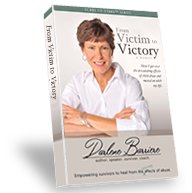
From Victim to Victory
a memoir
How I got over the devastating effects of child abuse and moved on with my life
Most Recent

-
Converging Stolen Lives
Jan 30, 18 01:13 PM
There was a time and space I didn’t think about you, or your abuse. Where when I looked back at my life, I only saw normal things, a normal childhood. -
A letter to one of the 13 Turpin children
Jan 29, 18 11:33 AM
A heartfelt letter by a former classmate that speaks to bullying and regrets. You'll find it on my Facebook group. I hope you'll join and get in on the discussion. -
Dissociated From Abuse
Jan 29, 18 11:00 AM
I was sexually abused by my father from age 6 to 13, which stopped when I started talking about it during the day. The teenage brother of my best friend